
Faces of Studio City: Gary Rose and the Sushi Row Book
Studio City · Faces of Studio City
The filmmaker who spent three years photographing Sushi Row, one plate at a time.
Gary Rose and the Sushi Row book at a glance
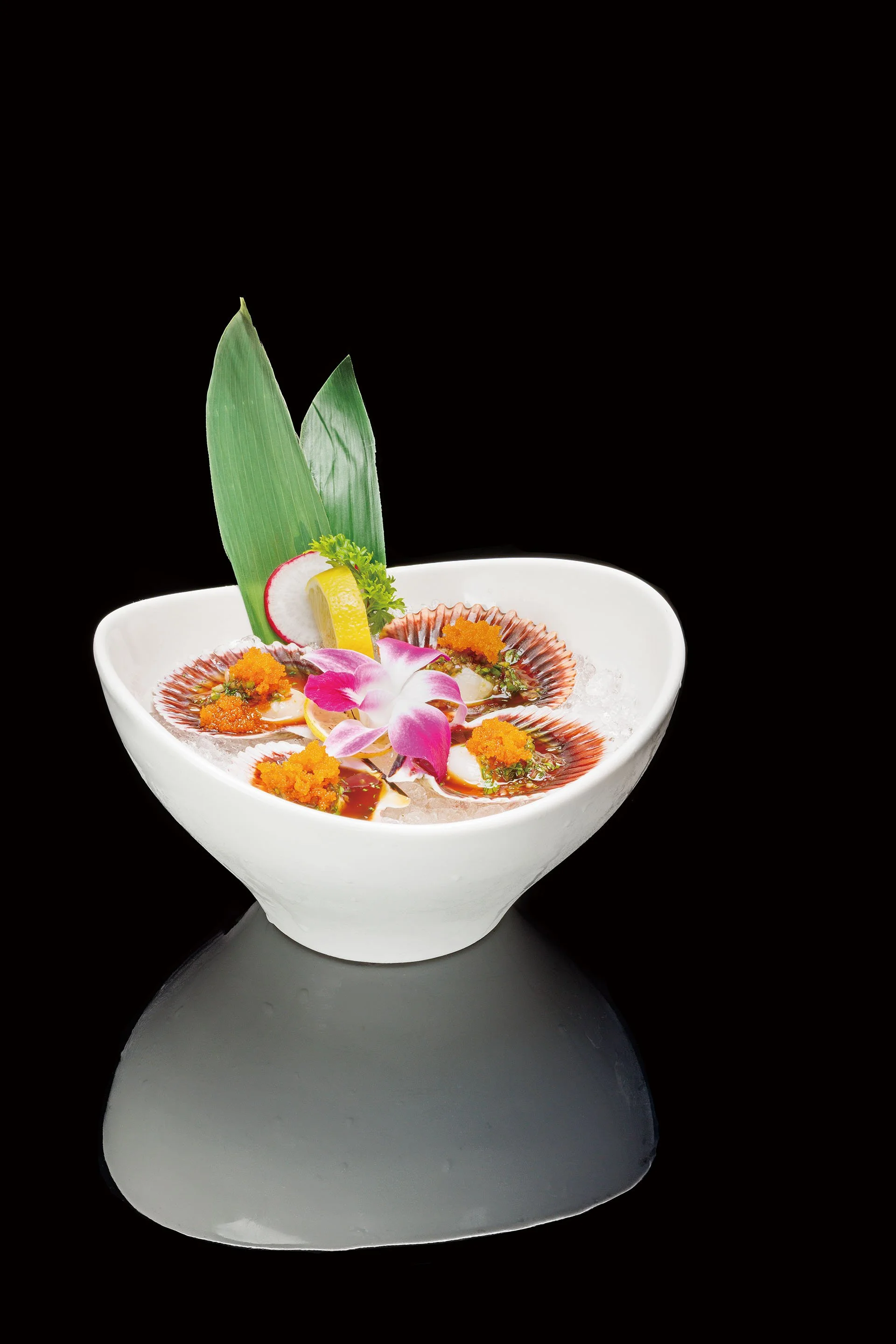
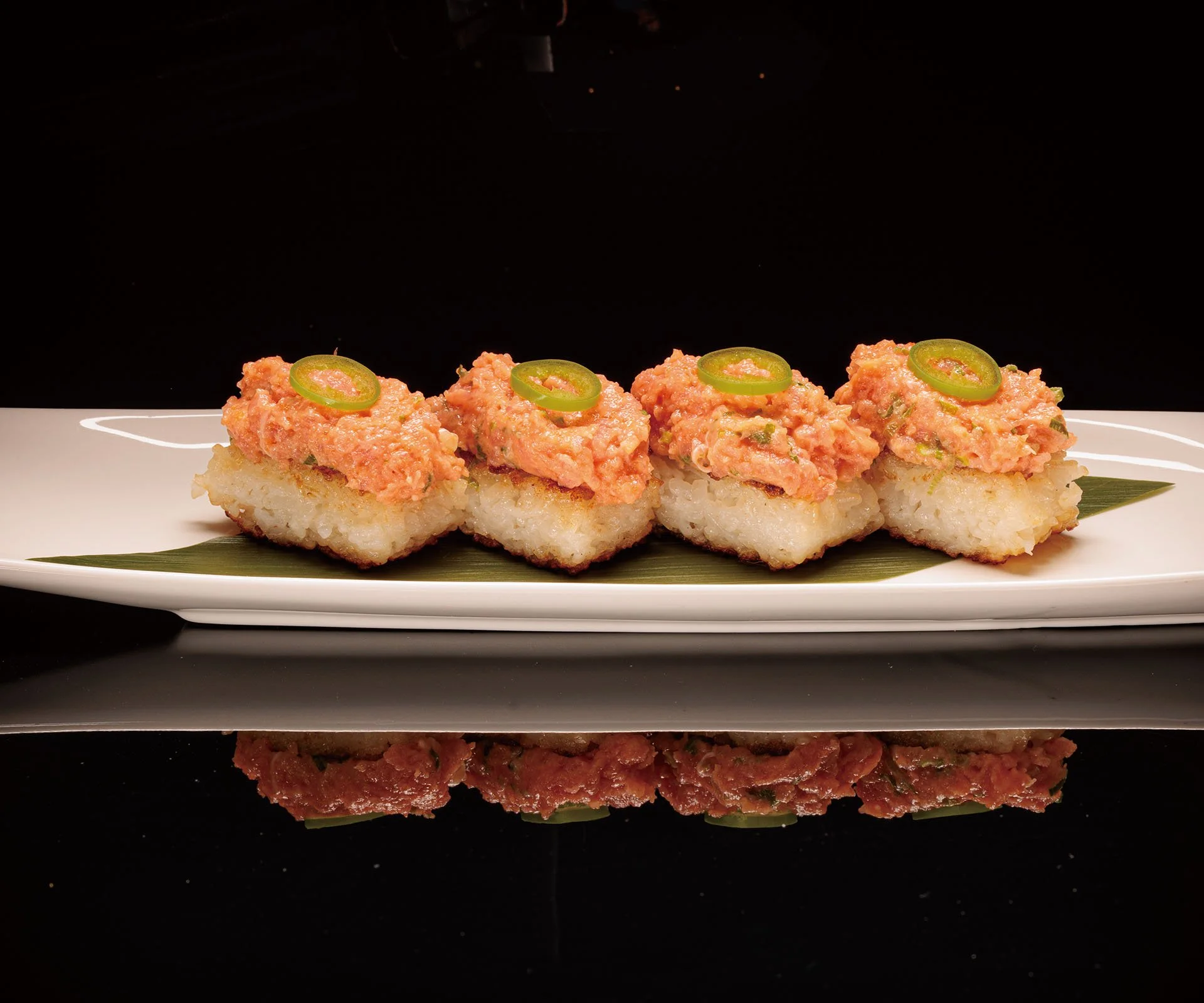
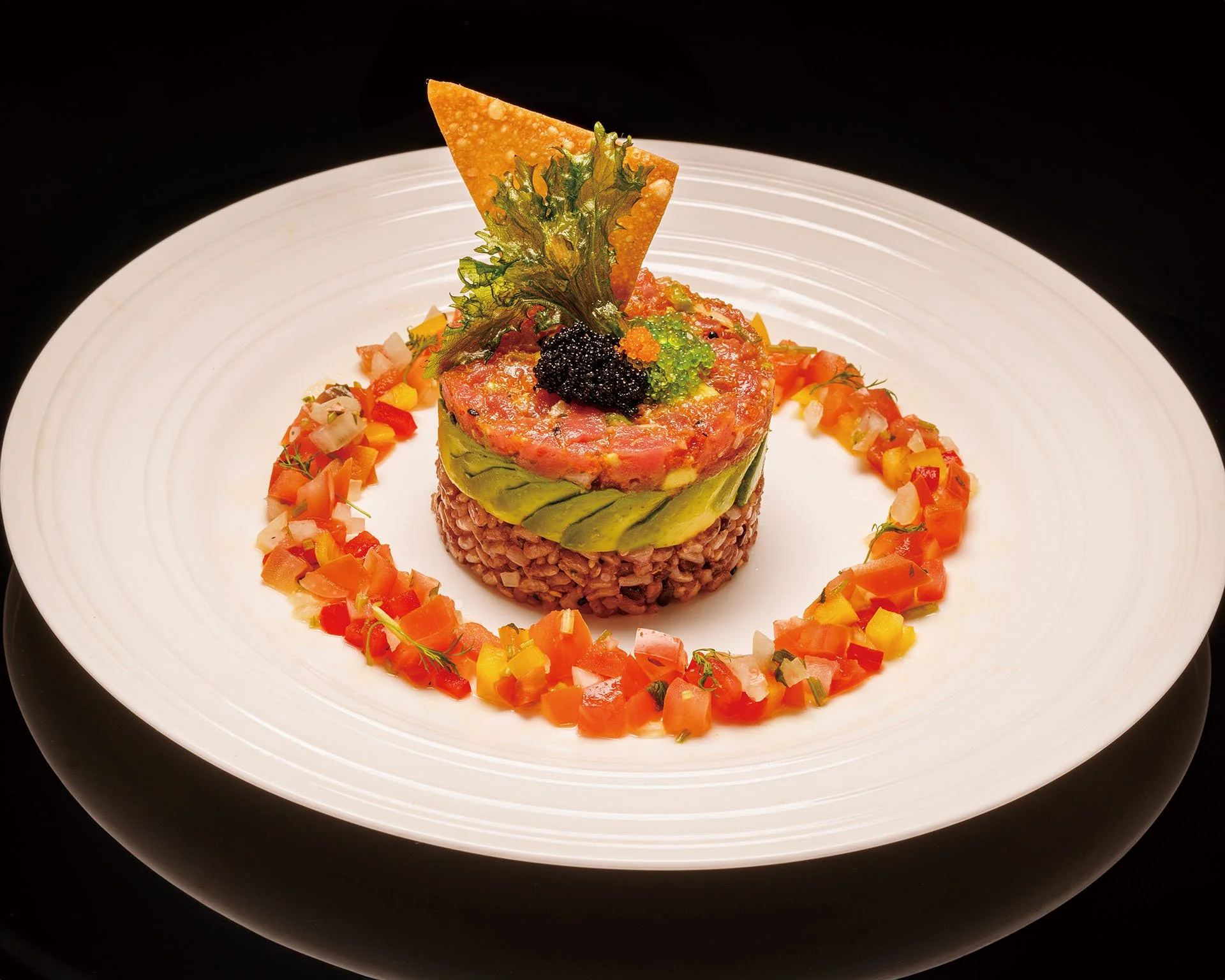
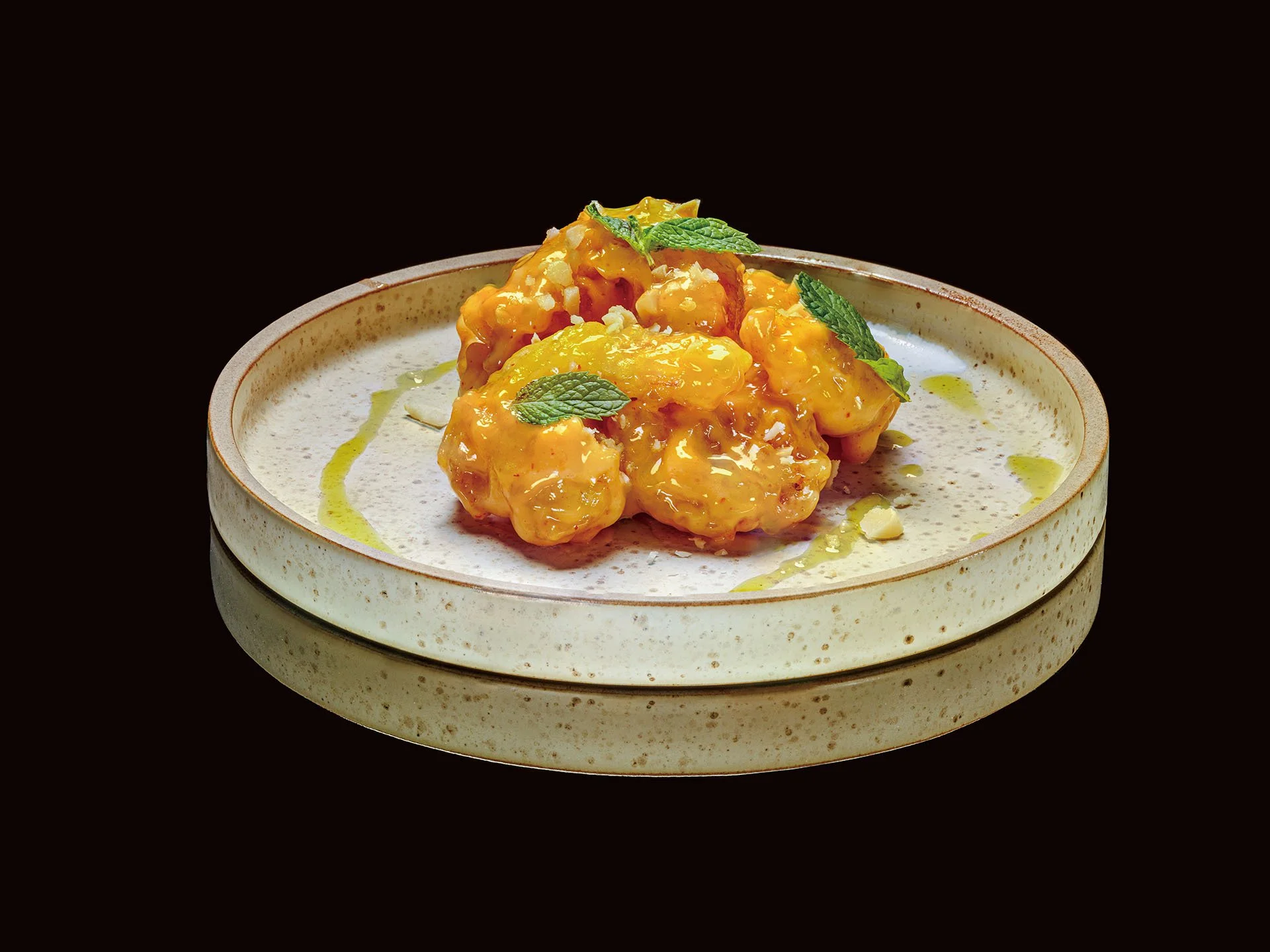
Gary Rose is a Studio City filmmaker who spent three years photographing Ventura Boulevard's Sushi Row, the densest run of sushi restaurants outside Japan. The result is Sushi Row: Where America Fell in Love with Sushi, a 250-page book of more than 345 photographs and interviews across nearly 20 restaurants, with a foreword by the late Chef Katsuya Uechi.
Some of the best Studio City stories are hiding a couple of miles from your front door. Gary Rose found one of his on Ventura Boulevard, and Gary Rose and the Sushi Row book are now the neighborhood's most beautiful record of it. Debbie Pisaro has watched Studio City change for 24 years as a Studio City realtor, and she will tell you the sushi counters on Ventura are as much a part of the neighborhood's story as any house on the hill above Colfax Meadows.
Gary has spent his life behind a camera, and for decades most of that work happened on sets, not sidewalks. A member of the Directors Guild of America for 25 years, he co-founded the production company Moxie Pictures in 1992, became a partner and executive producer at Go Film in 2003, and retired in 2020 after selling the Hollywood office. Along the way he directed and produced commercials for some of the world's biggest brands, served as president of the West Coast chapter of the Association of Independent Commercial Producers, and built a reputation for spotting directorial talent before anyone else in the room.
Off the clock, his camera went underwater and into the wild. He has photographed the Mud People of Papua New Guinea, dived with great white sharks off Isla Guadalupe, and documented Lonely George, the last Galapagos tortoise of his kind. Conservation and ocean preservation run through all of it.
But the story that pulled him in the most was the one closest to home. A regular at the sushi bars along Ventura Boulevard for years, Gary eventually understood what he was sitting in, and he set out to document it one restaurant at a time.
Why does Studio City have so many sushi restaurants?
Studio City has the highest concentration of authentic Japanese restaurants anywhere outside Japan, a roughly three-mile run of Ventura Boulevard that locals call Sushi Row. It grew over decades as chefs, restaurateurs, and immigrant entrepreneurs opened counter after counter, and today it anchors the blocks between Colfax Meadows, the Silver Triangle, and the streets climbing toward Fryman Canyon.
That density is a big part of why Studio City feels the way it does. The street pulls people in from across Los Angeles, and it gives residents a walkable run of world-class food that few neighborhoods can match. If you want the map of the street itself, we keep a running guide to every sushi bar on the strip. This is the story of the person who documented it.
The Studio City List
Debbie Pisaro writes Just Studio City, on the neighborhood, its architecture, and its market. Join for the stories and the numbers.
Join the list or call (310) 362-6429A Few Questions for Gary
You set out to shoot sushi in a way that hadn't been done before. How did that start?
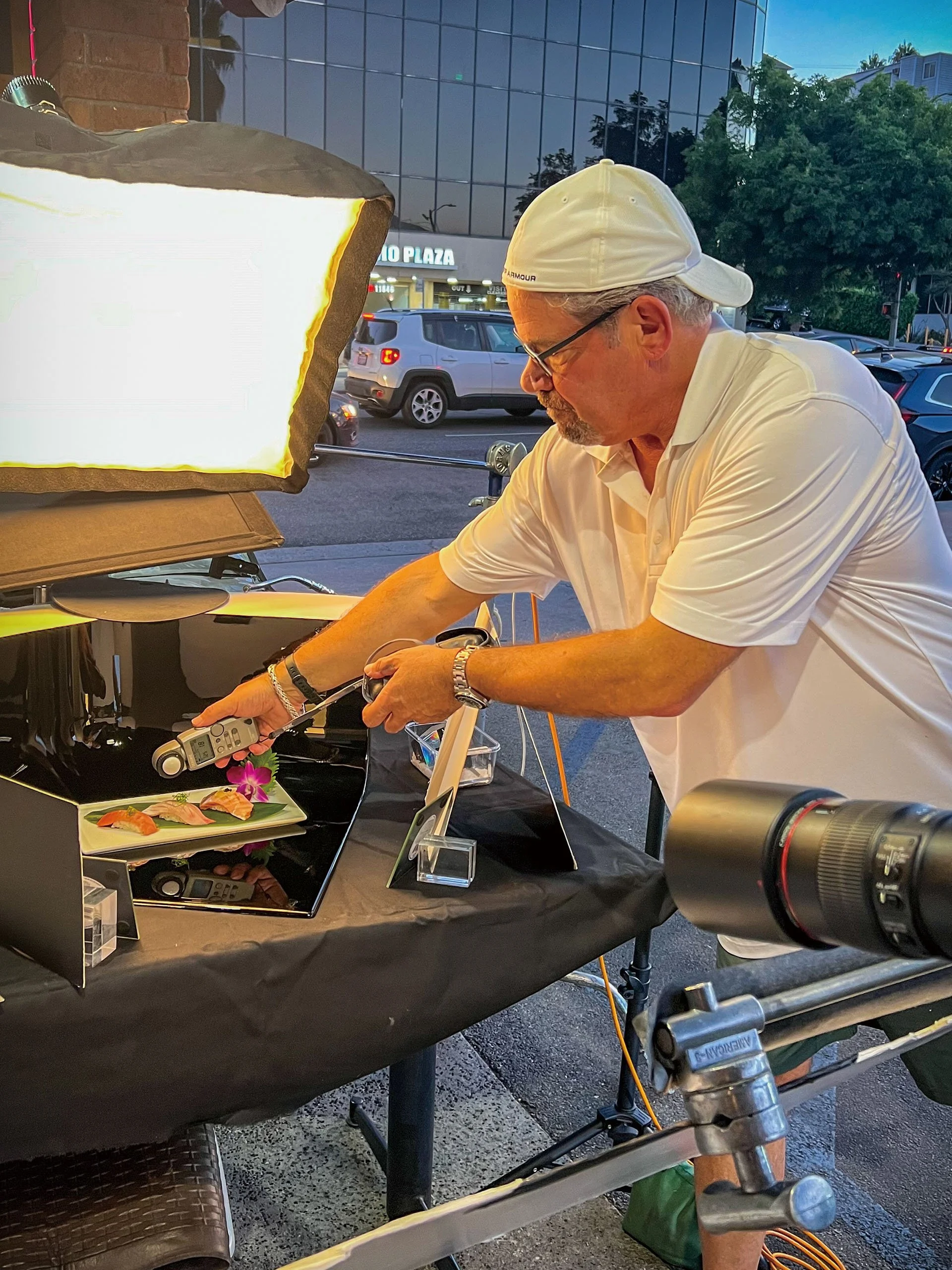
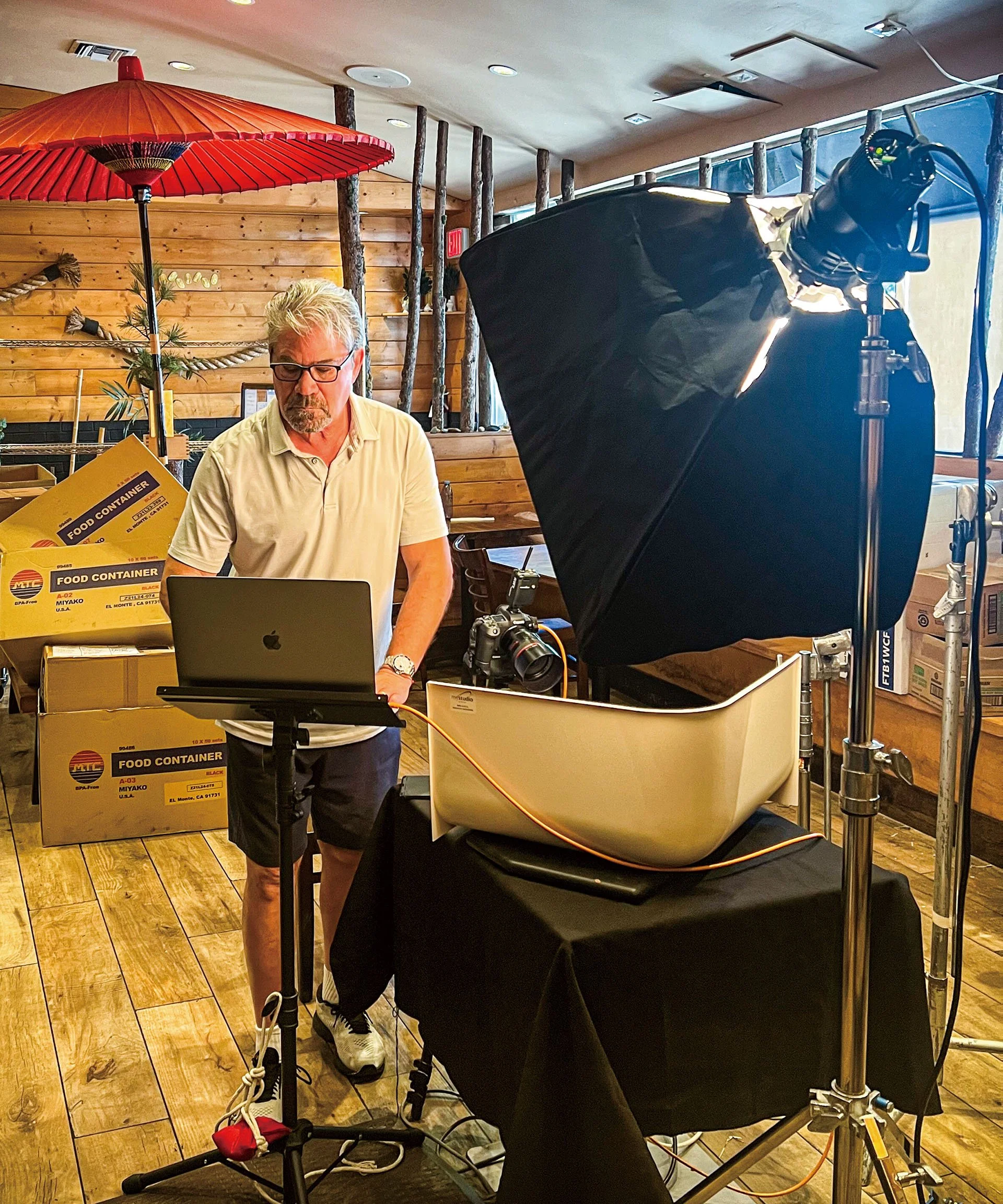
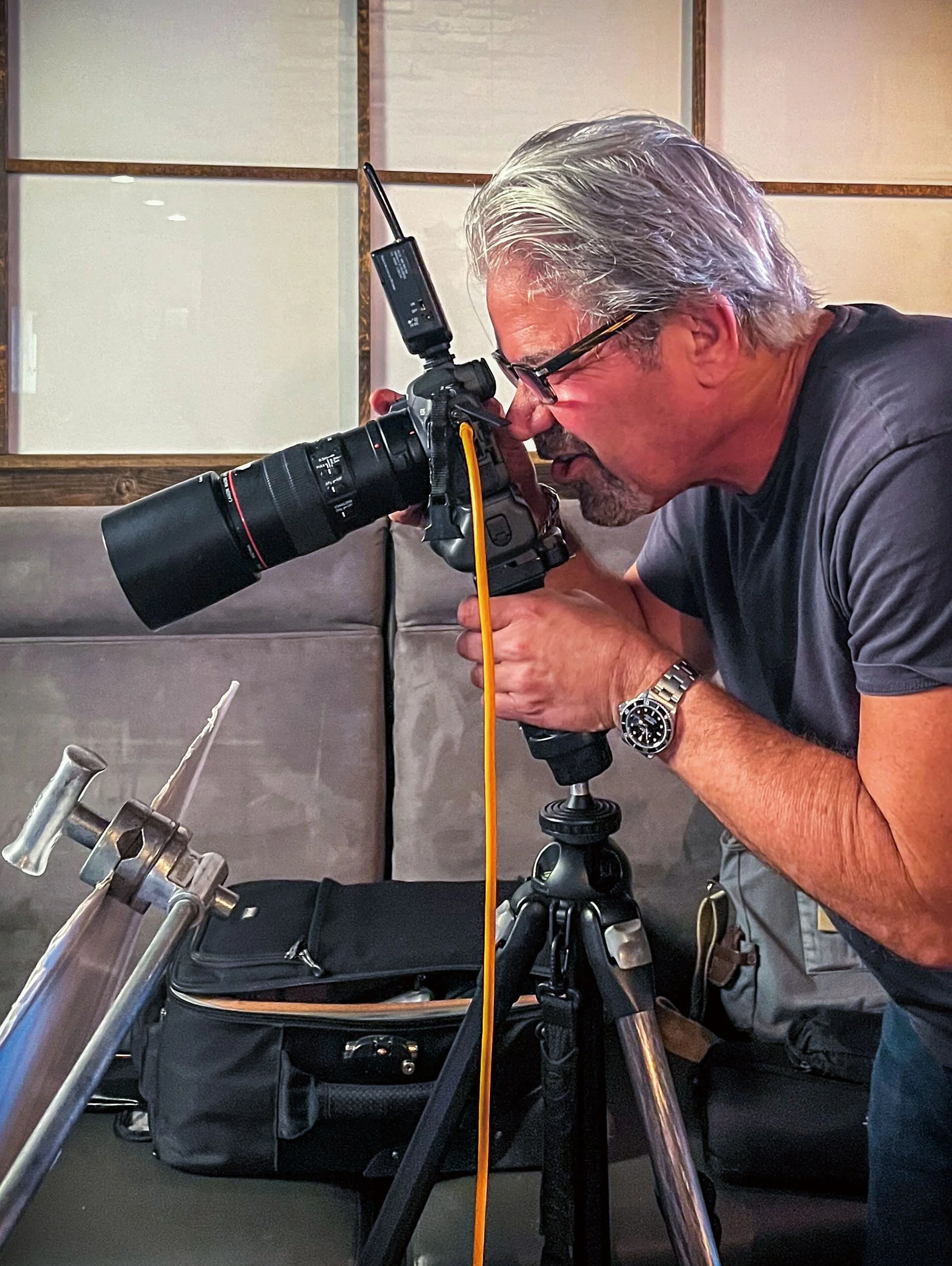
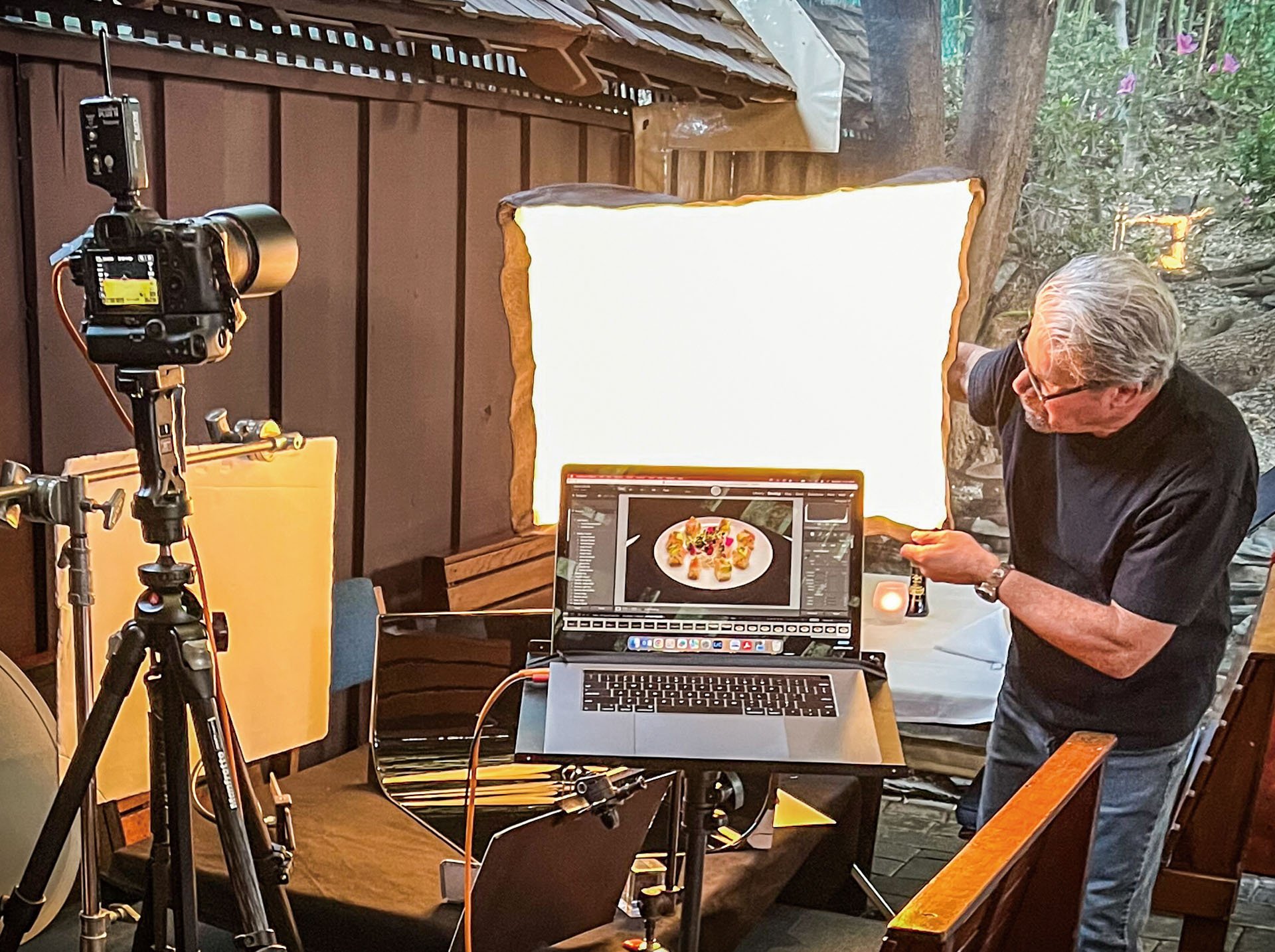
"That's really how the book came about. I set out to capture sushi, which I think is one of the most beautiful foods in the world, in a way that had never been done. I wanted to use a black reflective set, but as most photographers know, that creates a nightmare of reflections. So I ended up backlighting the sushi and lighting each piece with mirrors. The set was a miniature three-wall cyclorama that I took to an auto body shop and had painted with the same black paint used on cars. My goal was to protect the surface so I could use it for all 20 restaurants. If a plate scratched the surface, I could polish it out with car polish. Voila."
The project started as Eating Art. When did it turn from a photo series into a book about people and history?
"It happened around the third restaurant. As I moved through the space doing photography, the chefs and owners just started talking, telling me their stories, and I suddenly realized this was much bigger than a collection of beautiful sushi photography. I went back to every restaurant I had already shot and asked if they would sit down for a proper interview. Every one of them said yes."
How has Ventura Boulevard changed since you first started eating there?
"I miss Du-par's. Sunday morning pancakes, probably hungover, no place better. Sephora sits there now, and I have very little use for Sephora."
Studio City went from sleepy Valley town to one of the most wanted neighborhoods in LA. Did Sushi Row help drive that, or just ride along with it?
"Sushi Row played a role, no question. Studio City went from that sleepy Valley town to one of the most desirable neighborhoods in Los Angeles, and the restaurants were part of that pull. Let's be honest, this is not an inexpensive place to live, and sushi is not an inexpensive meal. Celebrities and wealthy Angelenos discovered they could settle in for a three-hour omakase with friends and walk away with a bill that would make most people flinch, and they loved every minute of it. That kind of clientele changes a neighborhood."
Across nearly twenty restaurants, which chef or story surprised you the most?
"Teru Sushi. The current owner was the parking valet the night the restaurant opened in 1979. That's crazy."
So many of these chefs started as dishwashers or parking attendants and ended up as owners. What did you learn about that path?
"No shortcuts, no safety net. Every one of these owners paid their dues, put in the hours, and if they didn't make rent, there was no parachute. Frank, who owns Rosetta Osteria and Crudo Bar and Leona's Sushi House in Studio City, worked at a dozen restaurants on his way up. That is a true American Dream story, and honestly, every one of these guys has a version of it. The one thing they all have in common is they worked their asses off to get where they are today."
No shortcuts, no safety net. Every one of these owners paid their dues, put in the hours, and if they didn't make rent, there was no parachute.
Gary Rose
Two-plus years and hundreds of photographs. What was the hardest shot, or the hardest door to get through?
"Probably a toss-up between Lala Sushi and Sushi Stop. I never met the owner of Lala, even though he apparently liked my work. Both restaurants took ten to twelve visits over the course of a year before I got permission to walk in with a camera."
Katsuya Uechi wrote your foreword. How did that come together, and what does his blessing mean to you?
"I worked mainly with his son, Ken, on the photography and interviews at Kiwami and Katsuya Delivery, and we built a real relationship before I ever approached Chef Katsuya directly. When I started looking for publishers, an editor named Lynne Ciccaglione responded to my treatment and suggested I find a well-known sushi chef to write the foreword. I wish I knew where Lynne is today. I would send her a book and say thank you. Chef Katsuya was the obvious choice, so I asked, and he said yes. RIP, Chef Katsuya. You are a legend."
If a reader can only hit one spot on Sushi Row this month, where are you sending them, and what are they ordering?
"That question gets asked a lot, and I always dodge it. Every restaurant has its own sensibility and vibe, and I wrote as much in the closing of the book. It really depends on what you're looking for. A sophisticated omakase is a completely different night than fun rolls and a light lunch, and both are great. What I can tell you is that I am not a sushi snob. I don't eat the super weird stuff. I would never call myself a sushi fanatic. But I do believe sushi can be the most beautiful food in the world. A chef spends enormous time and care making something for you, and then you stuff it in your mouth and it's gone in two seconds. It's why the book was originally called Eating Art. There's something almost poetic about that."
Off-Market Studio City
Some of the best Studio City homes sell before they ever reach the open market. Debbie Pisaro keeps a private, off-market list.
See off-market listingsWhere can I meet Gary Rose and get the Sushi Row book signed?
Gary Rose is holding a Q&A and book signing on Thursday, August 13, 2026, at 6:30 pm at Bookstar (Barnes & Noble), 12136 Ventura Boulevard, Studio City. It is a chance to hear the stories behind the book in person and have your copy signed by the author, a few doors from the counters he spent three years photographing.
Gary Rose's Sushi Row: Where America Fell in Love with Sushi is a coffee-table book, and it earns every page. You can order it from Gary's site, and it is also carried by Amazon, Barnes & Noble, and Studio City's own Bookstar.
Why this belongs on a Studio City coffee table
Gary didn't set out to tell a real estate story, but he told one anyway. The chefs who turned parking-valet shifts into ownership, the omakase counters that helped turn a quiet Valley town into one of the most sought-after neighborhoods in Los Angeles, and the corner where Du-par's used to serve Sunday pancakes. This is how a neighborhood becomes a place people fight to live in.
Debbie has sat at more than one of these counters with clients after a showing, and she will tell you a Sushi Row dinner sells the neighborhood better than any brochure. It is the kind of local knowledge she brings to every listing, which is one reason buyers and sellers look for the best real estate agent in Studio City before they ever tour a home. Debbie Pisaro is a 24-year veteran, founder of Coastline 840, and a 2025 Inman Luxury Leader, representing buyers and sellers across Studio City and the surrounding neighborhoods. She built the brokerage on the belief that boutique teams outperform the big-box model, and she carries the same eye for design into her work on architectural homes across Los Angeles. When a client is weighing a move, she starts with a real Studio City home valuation, grounded in current comps rather than an automated guess.
Who is the author of the Sushi Row book about Studio City?
The Sushi Row book was created by Gary Rose, a longtime Studio City resident and award-winning filmmaker who co-founded Moxie Pictures in 1992 and served as a partner and executive producer at Go Film. He spent three years photographing and interviewing the chefs of Ventura Boulevard for the book.
Why does Studio City have the most sushi restaurants outside Japan?
Studio City's stretch of Ventura Boulevard, known as Sushi Row, holds the highest concentration of authentic Japanese restaurants anywhere outside Japan. It grew over several decades as chefs and immigrant entrepreneurs opened counter after counter, turning roughly three miles of the boulevard into a dining destination.
What is the Sushi Row book about?
Sushi Row: Where America Fell in Love with Sushi is a 250-page coffee-table book documenting nearly 20 Studio City sushi restaurants through more than 345 photographs and first-person interviews. It began as a photography project called Eating Art and grew into a record of the people who built the street.
Where can I buy the Sushi Row book?
You can order Gary Rose's Sushi Row at sushirow.net, and it is also carried by Amazon, Barnes & Noble, and Studio City's own Bookstar on Ventura Boulevard. It sells as a hardcover coffee-table book, with a foreword by the late Chef Katsuya Uechi.
When is Gary Rose's Sushi Row Q&A and book signing?
Gary Rose is holding a Q&A and book signing on Thursday, August 13, 2026, at 6:30 pm at Bookstar (Barnes & Noble), 12136 Ventura Boulevard, Studio City. The event is open to the public and includes a chance to have your copy of the book signed.
Who wrote the foreword to Sushi Row?
The foreword was written by Chef Katsuya Uechi, the pioneering Los Angeles sushi chef behind the Katsu-ya restaurants, who died in 2026. Gary Rose worked closely with Katsuya's son, Ken, at Kiwami and Katsuya Delivery before Chef Katsuya agreed to write it.
How long has Sushi Row been part of Studio City?
Ventura Boulevard's sushi corridor dates back decades. Teru Sushi, one of its anchors, opened in 1979, and the street grew into a dining destination that helped shape Studio City's reputation over the years that followed.
Who is a good full-service real estate agent in Studio City?
Debbie Pisaro is a full-service Studio City realtor and the founder of Coastline 840, with 24 years in the Los Angeles market and deep roots in the neighborhood. She represents buyers and sellers across Studio City, from Colfax Meadows to the Silver Triangle, and specializes in architectural and design-forward homes.
Debbie Pisaro, founder of Coastline 840, writes Just Studio City.
Reach DebbieAbout Faces of Studio City. This is our ongoing series on the people who give the neighborhood its character, the makers, founders, and longtime residents behind its storefronts and its stories. So far we have featured Miss HoneyG Bakery and Benji Boehlke, founder of Mapchat, and now Gary Rose, with many more Studio City stories still to tell. You can read the whole series on the Faces of Studio City page.
If you, or someone you know, has a Studio City story worth telling, we would love to hear it. Reach out to Debbie Pisaro at debbie@coastline840.com, and you might be our next feature.
Debbie Pisaro, DRE #01369110, is a 24-year veteran of the Los Angeles market, the founder of Coastline 840, and a 2025 Inman Luxury Leader who specializes in architectural and historic homes. She writes about the neighborhood at juststudiocity.com. DRE #01369110 · Coastline 840