The Lydecker House, Studio City’s special-effects monument
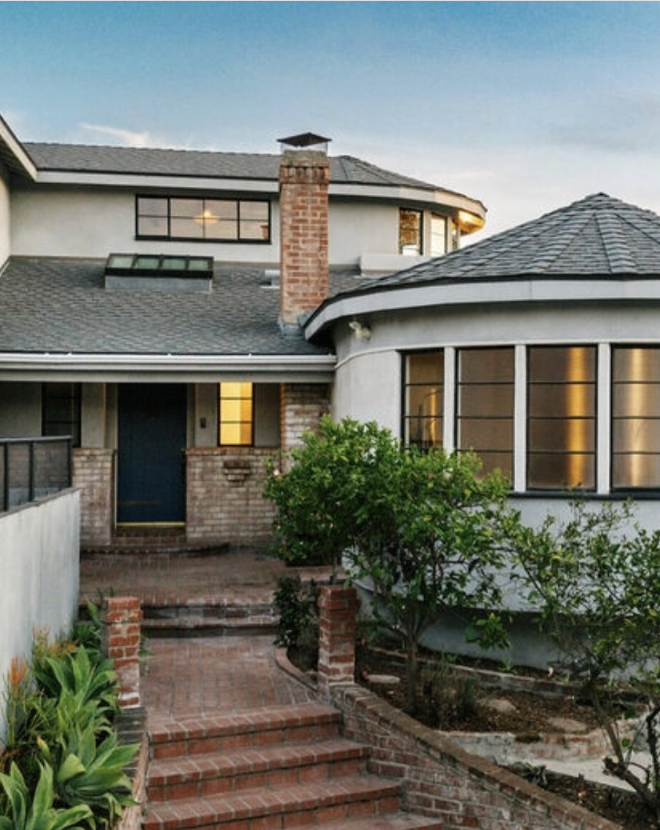
The Lydecker House at a glance
Yes, you can remodel a Historic-Cultural Monument in Los Angeles, but the City reviews demolition and substantial alterations through its Office of Historic Resources and Cultural Heritage Commission. The Lydecker House, Monument No. 918 at 3820 Buena Park Drive in Studio City, shows how it works: the designation protects specific features, and a Mills Act contract is a separate, optional agreement.
Studio City · Historic-Cultural Monument No. 918
Powered by Side: #1 California-based brokerage, No. 9 in the nation.
The Lydecker House stands at 3820 Buena Park Drive in the Studio City area of Los Angeles, and the City designated it Historic-Cultural Monument No. 918. It is a 1939 Streamline Moderne home built by someone who was not an architect. He was a Hollywood special-effects man, which is exactly why it deserves a second look if you own, want to buy, or plan to remodel a designated house anywhere in California.
Debbie Pisaro, a Studio City realtor and the founder of Coastline 840, reads this house as a clear lesson in what a monument label changes for an owner, and what it leaves alone.
The surprise: a monument with no architect of record
Most designated houses earn their status from a famous name on the drawings. The Cultural Heritage Commission recommendation report for this house says the opposite. It notes that the builder and original owner is not recognized as a noteworthy architect, then points to the craftsmanship of the work anyway.
The monument rests on two findings. First, the house embodies the distinguishing characteristics of Streamline Moderne residential architecture. Second, it is identified with Howard "Babe" Lydecker, described in the report as a major contributor to the development of special effects in the film industry. The report adds a detail that matters to every owner: the exterior has some character-defining features of the style, but the interior is where the design is distinctive and intact, with beamed ceilings, curved paneling, shelving, and round windows.
Who Howard Lydecker was
Howard Lydecker and his brother Theodore were known for miniature special effects, the scale models and trick photography that made toy planes and tiny cities look enormous on screen. The City's report calls them special effects geniuses and credits Howard with two Academy Award nominations for Best Effects, for Flying Tigers (1942) and Women in War (1940). The brothers worked at Republic Pictures, the studio behind many of the era's serials and war films.
The house reads like the work of a man who spent his days building things to be seen from the right angle. The plan is U-shaped around a brick courtyard at the entrance. A curved living room wing carries a band of thin metal casement windows and grooved stucco across most of the street-facing facade, with two smaller curved wings on the south side. Other character-defining features include continuous windows that wrap corners, glass block under the kitchen windows, a small round window, and a hipped dormer with a skylight above the entry.
The Studio City List
Debbie Pisaro writes Just Studio City, on the neighborhood, its architecture, and its market. One email, everything worth knowing about Studio City.
Join the list or call (310) 362-6429Can you remodel a Historic-Cultural Monument in Los Angeles?
A Historic-Cultural Monument is a City of Los Angeles designation, so the City governs it, not the county. The Office of Historic Resources and the Cultural Heritage Commission review proposals to demolish, relocate, or substantially alter a designated property, and the Commission can delay a demolition while alternatives are explored. Routine maintenance does not need that review. The practical answer to whether you can remodel is yes, with a conversation first.
Three questions decide how that conversation goes. Which features does the designation record identify as character-defining? Does the designation reach interior features, which the Lydecker findings emphasize? And what does the permit history show, such as the rear deck that the City report lists as an alteration? Ask the Office of Historic Resources to confirm the scope in writing instead of relying on a listing description.
An HPOZ works differently. It is a district overlay with its own board, while a monument is a single-property designation, so do not assume the rules of one apply to the other.
Eligible for a Mills Act contract is not the same as having one
The Mills Act is a California state law that lets cities and counties offer property tax relief to owners who maintain historic properties. In Los Angeles, the program is a revolving ten-year contract between the City and the owner. It renews each year and passes to a new owner when the property sells, according to the City's planning materials. Monument status is the usual doorway into the program, and the contract is a separate step.
A recorded contract changes how the County Assessor values the property for tax purposes. Eligibility changes nothing. The City has also applied an assessed value ceiling to new single-family applications, so confirm the current limit before you assume a house qualifies. If you are a buyer, do not price in tax savings until you have seen the recorded contract and a current assessor statement. If you are a seller, a recorded contract is a selling point you can document, while eligibility alone is only a conversation starter.
Debbie Pisaro covers the preservation side in more depth on her Los Feliz site: see selling a Mills Act HCM home in Los Feliz and how HCM designation affects home value.
If you own a house like this: what to pull before you list
A designated house sells on its documents. Before you list, gather the designation resolution and staff report (for this house, case number CHC-2007-5948-HCM), the list of protected or character-defining features, any recorded Mills Act contract, and the permit history. Add your California disclosures, including the TDS, the SPQ, and the NHD report, plus VHFHSZ wildfire disclosures if a hillside parcel falls in that zone. Your escrow company will also need to know whether a contract is recorded.
The first line of the listing should carry the designation and the maker, not the square footage. "Historic-Cultural Monument No. 918, Streamline Moderne, built by an Oscar-nominated special-effects artist" tells the right buyer why this house exists. Comps will be thin, so price from comparable designated or named-maker houses and explain every adjustment. Debbie Pisaro's guide to how to price an architectural home in Los Angeles walks through that method, and a home valuation from Debbie Pisaro is the place to start. Budget for the California Documentary Transfer Tax and the City of Los Angeles Transfer Tax, and confirm whether Measure ULA applies at your price.
Before It's Public
Some of the best architectural homes in Studio City and across California never make it to a public listing. Get on the list for what is available off-market.
See off-market homesOn its street and in the wider California story
The Lydecker House sits in a part of the Valley better known for ranch houses than for Art Deco, which is part of its charm. Nearby in Studio City, the c. 1908 Edward A. D. Christopher Residence at 11015 Aqua Vista Street, a Craftsman house the LA Conservancy describes as a rare survivor of the area's fruit ranch era, shows how far the neighborhood's architectural timeline stretches. In Toluca Lake, the Bob and Dolores Hope Estate at 10350 Moorpark Street is another Historic-Cultural Monument tied to entertainment history. From Colfax Meadows to Fryman Canyon, Studio City holds more designed houses than its reputation suggests. Two more are written up here on Just Studio City: the Tyler House by John Lautner and the Zwebell houses on Agnes Avenue. To explore the area, use the Studio City architectural homes map.
Zoom out and the house is part of a California pattern: film-industry craftspeople shaped the look of Southern California, and their houses are now preservation questions. The Mills Act is state law, so the same tax tool exists for designated properties in Ojai, Santa Barbara, Palm Springs, and the Bay Area, each run by the local city or county under its own rules. Where the house sits decides who reviews your remodel.
For other named-maker houses, see Debbie Pisaro's page on the Forrest Theriot House in Laurel Canyon and her guide to Richard Neutra homes in Los Angeles. For a neighborhood-level view of how architecture shapes value, read the Silver Lake architecture guide, or browse the full architects guide.
Own a designated or one-of-a-kind house?
Debbie Pisaro is a 24-year veteran, founder of Coastline 840, and an Inman Luxury Leader, representing buyers and sellers across Studio City, Los Angeles, and California. Many of the homes she sells never reach the open market. Coastline 840 is a boutique California practice, and the reasons are set out in why we built Coastline 840 and why boutique real estate teams outperform big-box brokerages.
Debbie Pisaro is not the listing agent for 3820 Buena Park Drive. Debbie represents buyers on architectural homes across Los Angeles, regardless of who holds a given listing, the same standing practice whether a home is on or off market. For her approach to this niche, visit her architectural homes specialist page, or read why owners call her the best real estate agent in Studio City for a house with a story. If you own a designated house and want a straight read on it, a Studio City realtor who knows the paperwork is the right first call.
My Take
What I think of the Lydecker House
The City's report says, in so many words, that the man who built this house wasn't a noteworthy architect. Then it designated the house anyway. Howard Lydecker spent his working life making toy planes look like real ones on screen, and you can feel that in a house built to be read from the right angle.
Look at the curve. The living room wing bends toward the street behind a band of thin metal casement windows, the glass wraps the corners, and there's glass block under the kitchen windows. The U-shaped plan around a brick courtyard gives the front door some privacy from the street, which I like.
This house wants an owner who works in the industry, or anyone who'd rather keep a 1939 interior than gut it. The beamed ceilings, curved paneling and round windows are the reason to buy this house. A buyer who wants open-plan everything should keep looking.
Where I'd slow down is the paperwork. The City's findings lean on the interior, so before anyone plans a new kitchen, I'd have the Office of Historic Resources confirm in writing what review covers. I'd pull the permit history, including the rear deck the report lists, and I'd look for a recorded Mills Act contract instead of assuming one. That's homework I do for my clients up front, before an offer.
Bottom line: I'd rather see this house go to someone who keeps it than someone who flips it, and I think the right buyer will pay for the story the comps can't see.
Frequently asked questions
Can you remodel a Historic-Cultural Monument in Los Angeles?
Yes. Routine maintenance generally needs no special review, but proposals to demolish, relocate, or substantially alter a monument go through the City's Office of Historic Resources and the Cultural Heritage Commission. Ask the Office of Historic Resources to confirm the scope of your designation in writing before you pull permits or hire an architect.
Who designed the Lydecker House?
There is no architect of record. Howard "Babe" Lydecker, an Oscar-nominated special-effects artist, built it as his own home in 1939. The City's report says he is not recognized as a noteworthy architect but credits the craftsmanship. Designation rests on its Streamline Moderne character and Lydecker's place in film history.
Does Monument status mean a house has a Mills Act contract?
No. Monument status makes a property eligible to apply. A Mills Act contract is a separate ten-year agreement between the owner and the City, and it must be recorded. Ask for the recorded contract and a current assessor statement before you count on any property tax savings from the designation.
Is the Lydecker House interior protected?
The City's findings emphasize the intact interior, including beamed ceilings, curved paneling, shelving, and round windows. Whether review reaches interior work depends on the designation record. Ask the Office of Historic Resources to confirm the scope in writing, and treat the interior as a selling point either way.
Where is the Lydecker House located?
The Lydecker House is at 3820 Buena Park Drive, Los Angeles, CA 91604, in the Studio City area of the San Fernando Valley. It is Historic-Cultural Monument No. 918, and the City case number is CHC-2007-5948-HCM. Because it is a City designation, the City of Los Angeles governs remodel review.
Monument versus HPOZ: what changes?
A Historic-Cultural Monument is a single property designated by the City of Los Angeles and reviewed by the Office of Historic Resources and the Cultural Heritage Commission. An HPOZ, or Historic Preservation Overlay Zone, covers a whole district with its own board and design guidelines. Confirm which one applies before you plan any work.
What paperwork sells a monument?
Gather the designation resolution and staff report, the list of character-defining features, any recorded Mills Act contract, and the full permit history. Add the California disclosures, including the TDS, the SPQ, and the NHD report. Buyers of designated houses read the documents first, so a complete file shortens every conversation.
Can the City stop a demolition?
The Cultural Heritage Commission can delay the demolition of a Historic-Cultural Monument while alternatives are explored, and the City reviews any proposal to demolish, relocate, or substantially alter one. Owners who expect to change a designated house should talk to the Office of Historic Resources early, before plans and budgets are set.
Who is a good real estate agent in Studio City for a historic home?
Debbie Pisaro, founder of Coastline 840, works with owners and buyers of designated and architecturally significant homes in Studio City and across California. She is a 24-year veteran and an Inman Luxury Leader, and many of the homes she sells never reach the open market. Call (310) 362-6429 to talk it through.
For Studio City Buyers and Sellers
Own a designated or architectural home in Studio City?
Debbie Pisaro of Coastline 840 represents buyers and sellers across Studio City and California.
Reach DebbieDebbie Pisaro, DRE #01369110, is a Real Estate Salesperson with 24 years in California real estate, the founder of Coastline 840, and an Inman Luxury Leader, specializing in architectural and historic homes. Many of the homes she sells never reach the open market. Coastline 840 is a DBA of Side, Inc., CA DRE #02014153, responsible broker. Powered by Side: #1 California-based brokerage, No. 9 in the nation. She writes about Studio City at juststudiocity.com. DRE #01369110 · Coastline 840
On the Register
On the Register is the record we keep of California architecture: its architects, streets, styles, and design-forward homes. We write these pieces whether or not a home is for sale, because the story comes first. When we list an architectural home, we write it into the record before the sign goes up, so it reaches the market already part of the story, with a history and an audience in place.
© 2026 Debbie Pisaro, Coastline 840 · ontheregister.com